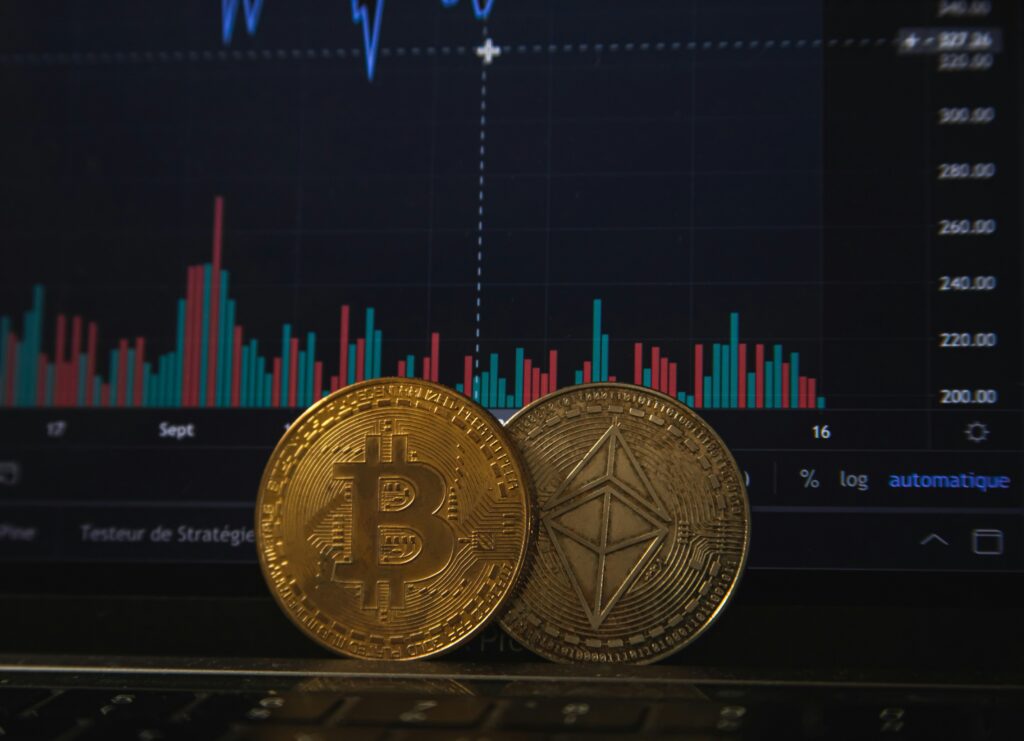
rading can be approached in many different ways depending on the market you’re interested in, the timeframe you’re working with, and the level of risk you’re willing to take. Here’s a breakdown of some of the key areas:
1. Types of Trading Markets
- Stock Market: Trading individual stocks or shares in public companies. It’s one of the most common types of trading, with people buying shares in companies they believe will grow in value.
- Forex (Foreign Exchange): This involves trading currencies against one another, like EUR/USD or GBP/JPY. It’s a 24/5 market and is the largest and most liquid market in the world.
- Cryptocurrency: Trading digital currencies like Bitcoin, Ethereum, or smaller altcoins. It’s known for high volatility, which can lead to significant profits but also large losses.
- Commodities: Trading raw materials like oil, gold, or agricultural products.
- Options & Futures: These are derivatives markets where you’re trading contracts that give you the right (or obligation) to buy or sell an asset at a predetermined price.
2. Types of Traders
- Day Traders: They buy and sell within the same day, aiming to profit from small price movements. Day trading can be intense and requires constant market monitoring.
- Swing Traders: These traders hold positions for several days or weeks, taking advantage of market “swings” or short- to medium-term trends.
- Scalpers: This is an ultra-short-term approach, where traders make dozens or hundreds of trades per day, looking to profit from very small price changes.
- Position Traders: These are long-term traders who hold onto positions for months or even years, betting on the long-term performance of an asset.